Skip to content
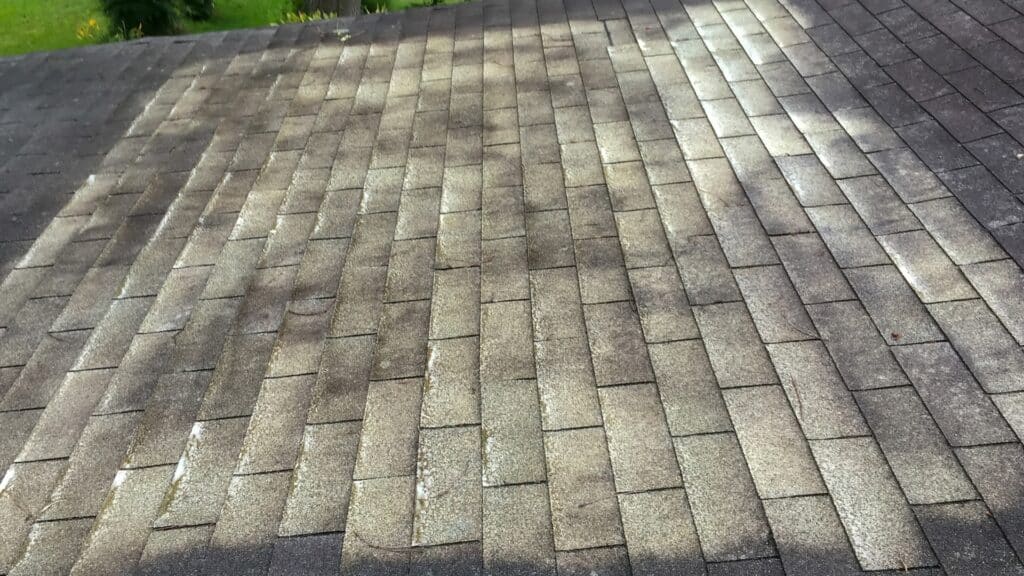
You aren’t the first homeowner to look up at your roof one day and notice long black streaks spreading across the shingles. It’s an incredibly common problem in Northwest Ohio.
At first glance, these streaks may look like dirt, soot, mold, or simple aging. But in many cases, homeowners are actually seeing a type of airborne roof algae that thrives in humid, shaded conditions. These dark stains can make your home look older, reduce curb appeal, and sometimes contribute to premature roof wear if left unchecked.
We’ll explain more about these streaks and lay out the best ways to remove them below.
What Are Black Streaks on My Roof?
In most cases, the black streaks you see on asphalt shingles are caused by a type of cyanobacteria called Gloeocapsa magma (note that this bacterium is often colloquially considered a blue-green alga, so we’ll call it algae from here on out).
Despite its dramatic appearance, Gloeocapsa magma is extremely common on residential roofs in Northwest Ohio. It spreads through airborne spores and tends to thrive on sections of the roof that stay damp for long periods of time. North-facing roof slopes, shaded areas beneath overhanging trees, and portions of the roof that receive limited direct sunlight are often affected first.
As the algae grows, it feeds on moisture and microscopic organic debris that collect on the roof surface. Many modern asphalt shingles also contain limestone filler, which can provide an additional food source for the algae over time. The result is the dark streaking pattern many homeowners notice gradually spreading across their roof.
Why Roof Algae Is So Common in Northwest Ohio
Northwest Ohio’s climate creates ideal conditions for roof algae growth. Several factors make algae growth especially common in this part of Ohio:
- Humid Summer Conditions: Warm temperatures and elevated humidity levels help algae spores establish and spread across roofing surfaces.
- Frequent Rain: Roofs that remain damp and are unable to dry out for extended periods are far more likely to develop algae staining.
- Heavy Tree Cover: Mature trees increase shade and reduce airflow, slowing roof drying times after rainstorms and overnight condensation.
- North-Facing Roof Slopes: Areas of the roof that don’t receive much direct sunlight typically stay wetter longer and often develop black streaks first.
- Aging Roofing Materials: Older shingles tend to retain more moisture, dust, pollen, and organic debris, creating a better surface for algae growth over time.
- Limited Airflow Around the Home: Closely spaced homes, fenced yards, and dense landscaping can reduce ventilation and trap moisture near the roof surface.
Risk Level: Is Roof Algae Damaging Your Roof?
In many cases, roof algae is primarily a cosmetic problem, especially during the early stages. The black streaks themselves do not usually mean your roof is actively leaking or failing structurally.
However, that doesn’t mean the issue should be ignored indefinitely.
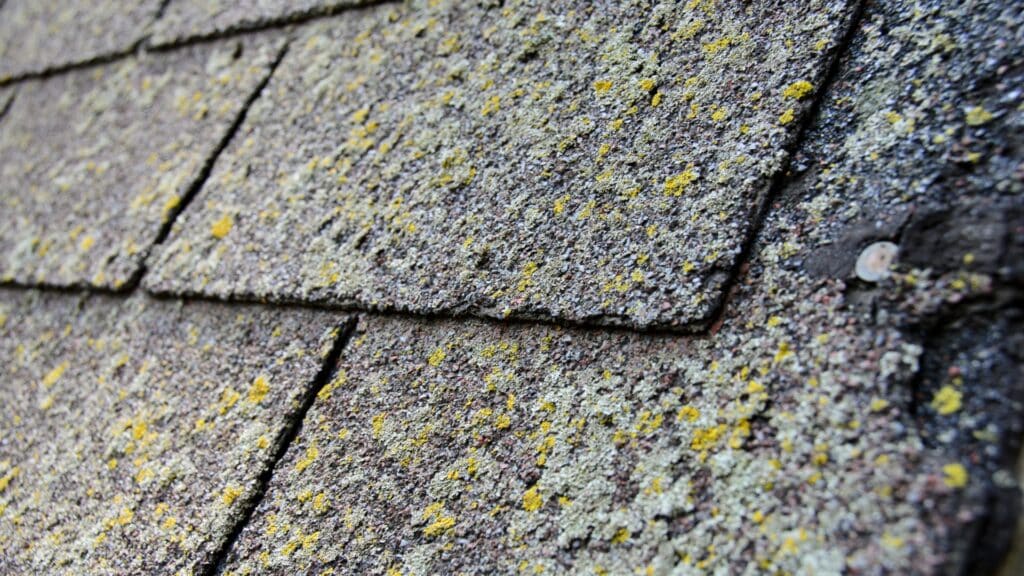
As algae spreads, it traps moisture against the roof and contributes to the gradual deterioration of your roofing materials. Heavily stained roofs also absorb more heat, which increases attic temperatures during the summer months. Algae growth can also create conditions that encourage moss growth, which is generally more damaging to shingles.
Even when the problem remains mostly cosmetic, black roof streaks can significantly reduce curb appeal and make an otherwise well-maintained home appear neglected. This is especially important for homeowners preparing to sell their property or comply with HOA appearance standards.
The good news is that professional roof cleaning and preventative measures can often restore the appearance of the roof and help slow future algae growth without requiring a full roof replacement.
Roof Algae vs. Moss vs. Mold: What’s the Difference?
Many homeowners use the terms algae, moss, and mold interchangeably when discussing roof stains, but these are actually very different problems with different appearances and levels of severity. Correctly identifying the issue is important because each requires a different approach to treatment and prevention.
- Roof Algae: Roof algae typically appears as long black or dark green streaks running down asphalt shingles. It is primarily a cosmetic issue at first, though heavy growth can contribute to moisture retention and reduced curb appeal over time.
- Moss: Moss appears as thick, fuzzy, green clumps or mats growing on the roof surface. Unlike algae, moss has a root-like structure that can lift shingles, trap moisture, and accelerate shingle deterioration. Moss is generally considered more damaging than algae and often requires more aggressive treatment.
- Mold or Mildew: Mold and mildew are less common on roofing surfaces but may appear as blotchy dark patches in persistently damp or shaded areas. True mold problems are more commonly associated with attic moisture or underlying ventilation issues than with the shingles themselves.
Because these problems can look similar from the ground, many homeowners benefit from a professional roof inspection.
How to Remove Black Streaks on Your Roof: Methods & Materials
Removing black streaks from a roof usually requires more than simply spraying the shingles with a garden hose or pressure washer. In fact, improper cleaning methods can damage roofing materials, shorten the life of the roof, and sometimes void manufacturer warranties.
That’s why professional roof algae treatment typically focuses on low-pressure cleaning methods specifically designed for asphalt shingles. Common roof algae removal methods include:
- Soft Washing: Soft washing uses low-pressure water and specialized cleaning solutions to kill algae and lift staining without damaging shingles. This is widely considered the safest and most effective method for asphalt roofing systems.
- Algaecide & Cleaning Solutions: Roof-industry pros often use solutions designed to break down algae growth and organic staining. These treatments are typically left on the roof surface long enough to kill the algae before being gently rinsed away.
- Manual Debris Removal: Any leaves, branches, pine needles, or other types of organic debris present on your roof are usually removed during the cleaning process to help improve drainage and reduce future moisture retention.
- Gutter Cleaning & Drainage Improvements: Overflowing gutters and downspouts can contribute to persistent roof moisture and lead to widespread damage to your roofing system. Cleaning and correcting drainage issues may help slow future algae growth.
- Targeted Moss Removal: If moss is present in addition to algae staining, it may need to be carefully removed by hand or treated separately to avoid damaging shingles. Unlike algae, moss develops thick, root-like structures that can lift shingles, trap moisture against the roof surface, and accelerate deterioration over time.
Homeowners should generally avoid using high-pressure washing equipment on asphalt shingles. Pressure washing can strip away protective granules, loosen shingles, force water beneath roofing materials, and accelerate roof wear. Harsh chemical mixtures and bleach-heavy DIY treatments can also damage landscaping, discolor surfaces, or create safety hazards if improperly applied.
Because working on a roof involves fall risks and potential roofing damage, homeowners should generally have roof cleaning performed by experienced roofing professionals who understand the proper cleaning methods for their specific roofing system.

Black Roof Streaks: FAQ
Homeowners often have a lot of questions when black streaks begin appearing on their roof. Below are answers to some of the most common concerns about roof algae, cleaning methods, and long-term roof protection.
What causes black streaks on asphalt shingles?
In most cases, black roof streaks are caused by a type of cyanobacteria called Gloeocapsa magma (though as we mentioned earlier, it’s often referred to as an algae). The algae spreads through airborne spores and thrives in humid, shaded environments where roof surfaces stay damp for long periods.
Are black streaks on a roof dangerous?
The streaks themselves are usually more cosmetic than structural at first. However, heavy algae growth can contribute to moisture retention, reduced curb appeal, and conditions that may encourage moss growth or accelerate roof aging over time.
Can I pressure wash black streaks off my roof?
Pressure washing is generally not recommended for asphalt shingles. High-pressure water can remove protective granules, loosen shingles, force water beneath roofing materials, and potentially shorten the lifespan of the roof.
Does roof algae mean I need a new roof?
Not necessarily. Many roofs with algae staining are still structurally sound and can often be professionally cleaned. However, if the roof is already nearing the end of its lifespan or has underlying damage, replacement may be the more practical long-term solution.
Why are the streaks worse on one side of my roof?
North-facing roof slopes and heavily shaded areas typically receive less direct sunlight and stay damp longer after rain or morning dew. These conditions create an ideal environment for algae growth.
Will roof algae come back after cleaning?
It can. Roof algae spores are naturally present in the environment, so staining may gradually return over time. Preventative measures such as improving sunlight exposure, trimming overhanging branches, and installing algae-resistant shingles can help reduce future growth.
Are algae-resistant shingles worth it?
For many homeowners in humid climates like Northwest Ohio, algae-resistant shingles can be a worthwhile investment. These shingles typically contain copper or similar materials designed to help inhibit algae growth and reduce future staining.
Frogtown Roofing: Ohio’s Preferred Roofing Contractor
You don’t have to live with dingy black streaks on your roof — the team at Frogtown Roofing has been helping homeowners across Northwest Ohio address unsightly roof stains for more than 17 years, and we’d love to help restore your roof’s appearance too.
Whether you need professional roof cleaning, a roof inspection, repairs, or a full replacement, our team is committed to honest guidance, quality workmanship, and long-term protection for your home. Contact Frogtown Roofing today to schedule a free inspection.