Skip to content
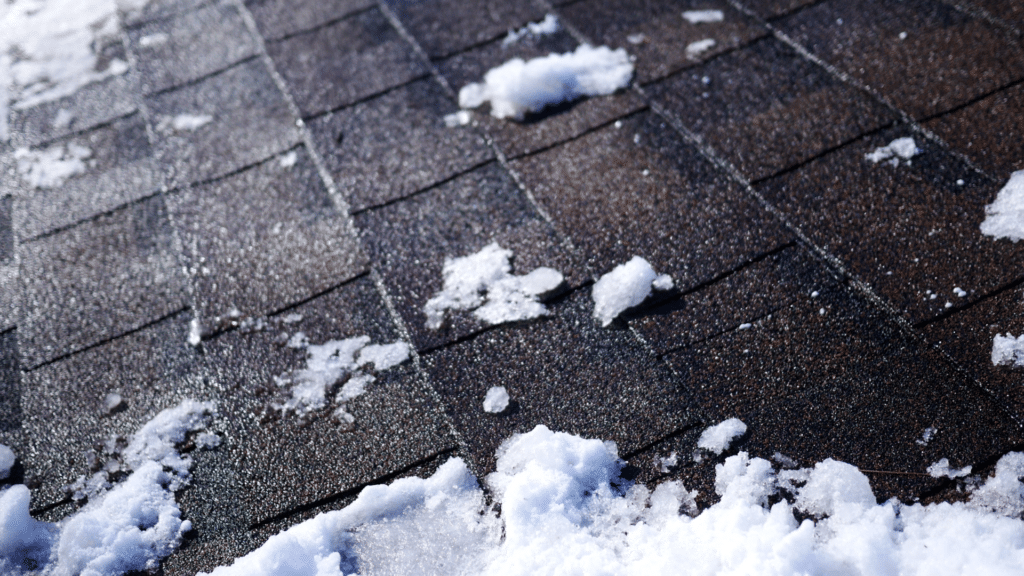
Snow and ice are inescapable for homeowners in Northwestern Ohio. You can count on freezing rain several times each winter, along with 30 inches of snow or more.
All of this snow and ice can take a serious toll on your home, so this is not something you can ignore. Fortunately, there are several things you can do to prepare your house and reduce the likelihood of needing expensive repairs in the future.
To help, we’ll explain everything you should do and provide a damage-prevention checklist you can use to guide your efforts.
The 8 Best Ways to Protect Your Home from Snow & Ice
While there are a variety of things you can do to help prepare your home for winter weather, you’ll want to begin by implementing the following eight steps.
1. Keep Your Gutters Clean and Free of Debris
Clogged gutters prevent melting snow from draining properly, which increases the likelihood of ice dams forming along the roof’s edge. This is important because trapped water may seep up under your shingles and cause leaks or damage your roof decking.
But by cleaning your gutters before winter arrives, you can help maintain proper water flow and reduce the amount of ice that builds up.

2. Upgrade Your Attic Insulation
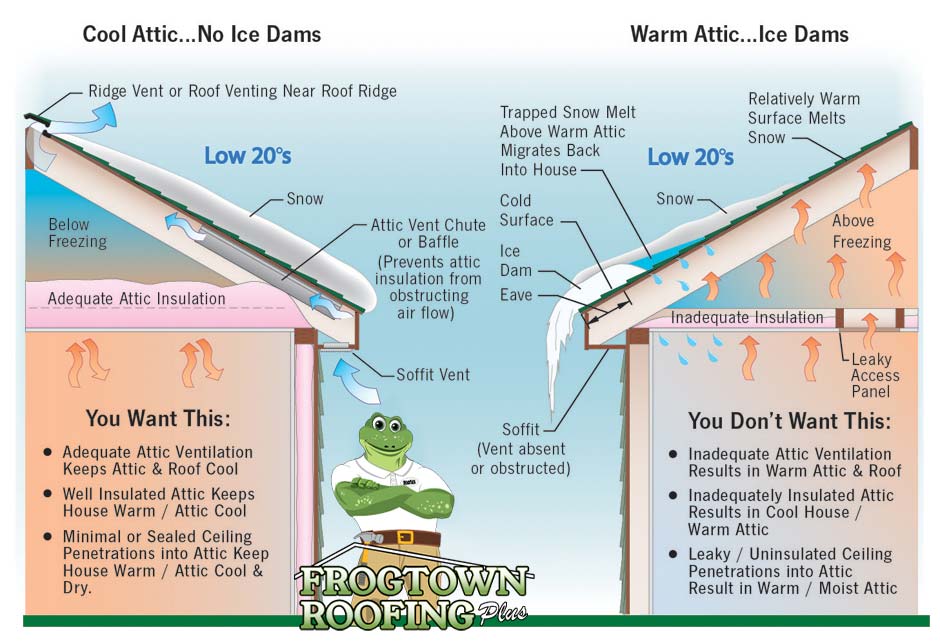
Inadequate attic insulation allows heat from inside your home to escape into the attic. This allows the roof surface to warm up and cause snow to melt unevenly. Once this meltwater reaches colder portions of your roof (such as the eaves), destructive ice dams can form.
Proper attic insulation helps keep the roof temperatures consistent and minimizes the problems associated with freeze–thaw cycles.
3. Ensure Your Attic Is Properly Ventilated
Ventilation and insulation actually work hand-in-hand to keep the temperatures inside your attic stable during the cold winter months. When you don’t provide enough airflow to the attic, warm air becomes trapped, accelerating the rate at which snow on your roof melts.
But homes with balanced intake and exhaust vents often enjoy stable roof temperatures and collect less ice than homes with poor attic ventilation.
4. Seal Any Air Leaks in Your Home
Small gaps around your light fixtures, attic door, plumbing vents, or wiring penetrations can allow warm air to rise into the attic. These hidden heat sources can cause your attic to warm up, leading to the conditions that trigger ice dam formation.
Sealing these air leaks helps improve your home’s energy efficiency while simultaneously reducing the risks of ice dams forming on your roof.
5. Install Ice and Water Shield Underlayment
Ice and water shield is a waterproof membrane that is installed below your home’s shingles, typically along places like roof edges and valleys. It isn’t intended to prevent ice dams from forming; rather, it serves as a protective barrier against water intrusion if ice causes a backup.
This extra layer of protection is especially important in regions like Northwest Ohio that experience frequent freeze–thaw cycles.
6. Remove Snow Safely and Promptly
Allowing heavy snow to accumulate on your roof increases the amount of structural stress acting on it, as well as the potential for ice dams forming. But simply using a roof rake to clear the lower portion of your roof after major snowfalls can help reduce the amount of ice and snow present and protect your roof.
Just be sure to avoid climbing onto icy roofs, as this poses significant safety risks and may even damage your shingles.
7. Inspect and Repair Damaged Shingles
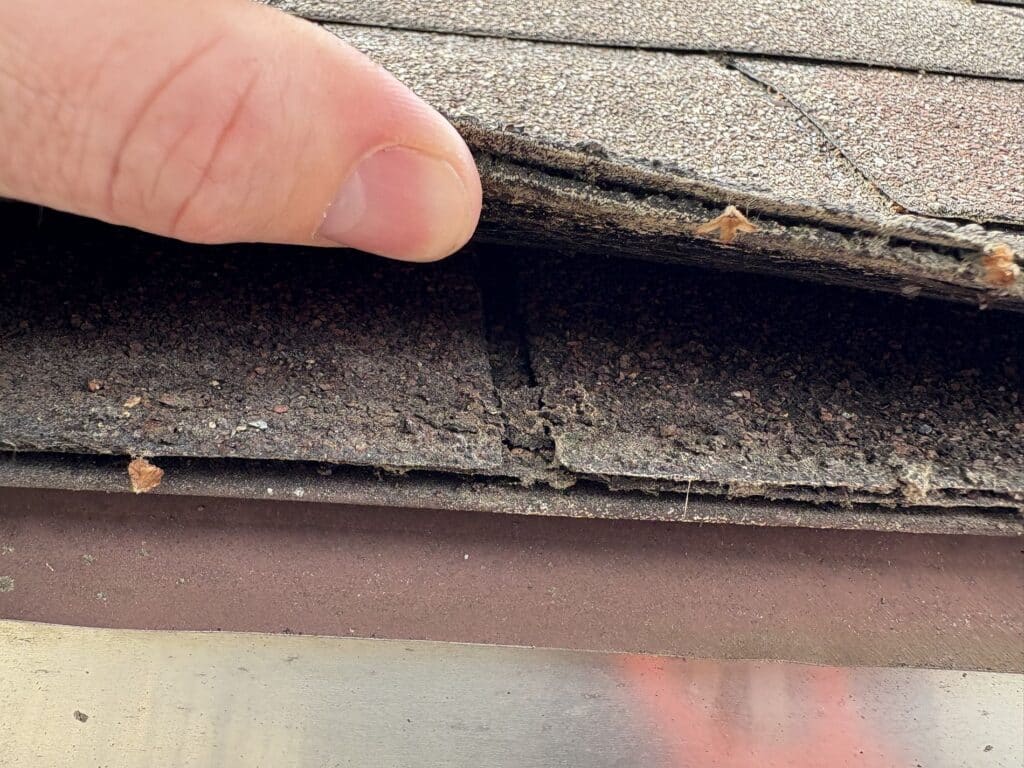
High-quality shingles that are kept in good condition can keep your home protected from Ohio’s severe winter weather. But on the other hand, cracked, curled, or missing shingles leave it vulnerable, as these kinds of damaged shingles create entry points for water once the snow and ice start to melt.
Addressing these kinds of shingle issues before the temperatures drop helps prevent leaks and allows you to avoid water damage inside your home.
8. Schedule a Professional Winter Roof Inspection
Professional roof inspections are invaluable for identifying ventilation issues, insulation deficiencies, flashing problems, and other early signs of damage that homeowners may miss. This is important because preventative maintenance is often far less expensive than repairing water damage after the fact.
But catching these problems before peak winter weather occurs can reduce the chances of needing emergency repairs later on.
Seasonal Snow & Ice Damage-Prevention Checklist
Protecting your home from snow and ice damage isn’t just a task for the winter. In fact, there are things you’ll also want to do in the fall and spring to ensure your home is prepared.
Fall
Each fall, you’ll want to set aside some time to:
- Clean your gutters and ensure they aren’t full of leaves, twigs, or other debris that may prevent water from draining properly.
- Seal any gaps or penetrations in your attic to prevent warm air from entering the attic and allowing the temperatures to rise.
- Inspect the flashing around vents, ridges, and other areas to ensure it is intact, properly fastened to the roof, and in good overall condition.
Winter
Ideally, you’ll have already prepared your home for winter weather, but there are still a few things you’ll need to do during this time of year, such as:
- Monitoring the snow depth and taking steps to clear it whenever it reaches 6 inches in depth or more, particularly if the snow is wet.
- Watch for large icicles or ice buildup along the roof edge, which may indicate developing ice dams, and take action when necessary.
- Check ceilings and exterior walls for water stains or discoloration after storms. Early signs of moisture intrusion often appear inside the home before roof damage is visible from the outside.
Spring
Once spring arrives and warm weather returns, you’ll want to carry out a few key steps, including:
- Inspecting your shingles for bruising, cracking, granule loss, or other signs of damage that may have occurred during the winter.
- Checking the attic for moisture or signs of moisture damage, so that you can have your ventilation corrected and any damage repaired.
- Inspecting gutters and downspouts for sagging, separation, or loose fasteners. Ice and heavy snow can pull gutters away from the fascia, reducing proper drainage and increasing the risk of future water damage.
Signs Ice & Snow Damage May Already Be Affecting Your Home
Prevention is always ideal, but winter weather can still take a toll. Watch for these warning signs so you can address problems early, before minor issues turn into costly repairs.
- Large Icicles Forming Along Roof Edges: Large icicles may indicate uneven roof temperatures and warn of developing ice dams.
- Water Stains on Ceilings or Walls: Brown or yellow discoloration indoors often points to roof leaks caused by ice dams or damaged shingles.
- Peeling Paint or Drywall Near Rooflines: Moisture intrusion from backed-up ice or melting snow can travel behind walls and trim and deteriorate surfaces near exterior walls or ceilings.
- Sagging Gutters: Heavy ice accumulation can strain gutter fasteners and pull the system away from the fascia, preventing them from draining properly and increasing the risks of ice dams.
- Granules Collecting in Gutters: Excessive shingle granules appearing in your gutters may indicate your roof has suffered from hail impacts or your shingles are nearing the end of their lifespan.
- Musty Odors or Damp Insulation in the Attic: Trapped moisture from leaks or poor ventilation often appears first in the attic before visible interior damage develops.
Let Frogtown Roofing Plus Help Protect Your Home!
Whether you need help protecting your home for the upcoming winter or you believe repairs are already necessary, the professionals at Frogtown Roofing Plus are standing by and ready to help. From roof repairs to siding installation to gutter protection, we provide the exterior services needed to protect your home and ensure your family’s comfort.
We’ve been serving homeowners in Toledo, Bowling Green, Sylvania, and the rest of Northwest Ohio for more than 16 years. Over that time, we’ve earned countless 5-star reviews, the Torch Award for business ethics, and an A+ rating from the Better Business Bureau.
Contact us today to schedule your free estimate and see the Frogtown Roofing Plus difference yourself!
Sources & References
- National Weather Service – “Preventing Roof Ice Dams”
Official guidance from the U.S. National Weather Service explaining what roof ice dams are, how they form, and recommended preventive measures such as attic insulation, ventilation, gutter maintenance, and snow removal.
https://www.weather.gov/grr/roofIceDams - University of Minnesota Extension – “Dealing with and preventing ice dams”
Educational resource from the University of Minnesota Extension defining ice dams, describing their causes and effects, and outlining strategies for homeowners to prevent and address them.
https://extension.umn.edu/protecting-home-rain-and-ice/dealing-and-preventing-ice-dams - Pacific Northwest National Laboratory / U.S. Department of Energy – “Attic Air Sealing, Insulating, and Ventilating for Ice Dam Prevention”
Technical guide from the Building America Solution Center detailing best practices for attic air sealing, insulation, and ventilation to reduce the likelihood of ice dam formation in cold climate roofs.
https://basc.pnnl.gov/information/attic-air-sealing-insulating-and-ventilating-ice-dam-prevention - This Old House – “How to Get Rid of Ice Dams: Prevention & Fast Fixes”
Home improvement article from This Old House offering practical tips on identifying, removing, and preventing ice dams, including both short-term fixes and long-term solutions.
https://www.thisoldhouse.com/roofing/how-to-get-rid-of-ice-dams - Consumer Reports – “How to Prevent Ice Dams From Damaging Your Home”
Consumer Reports feature providing an overview of ice dam formation, associated home damage risks, and professional recommendations for prevention and safe removal.
https://www.consumerreports.org/home-garden/home-maintenance-repairs/how-to-prevent-ice-dams-from-damaging-your-home-a1227503203